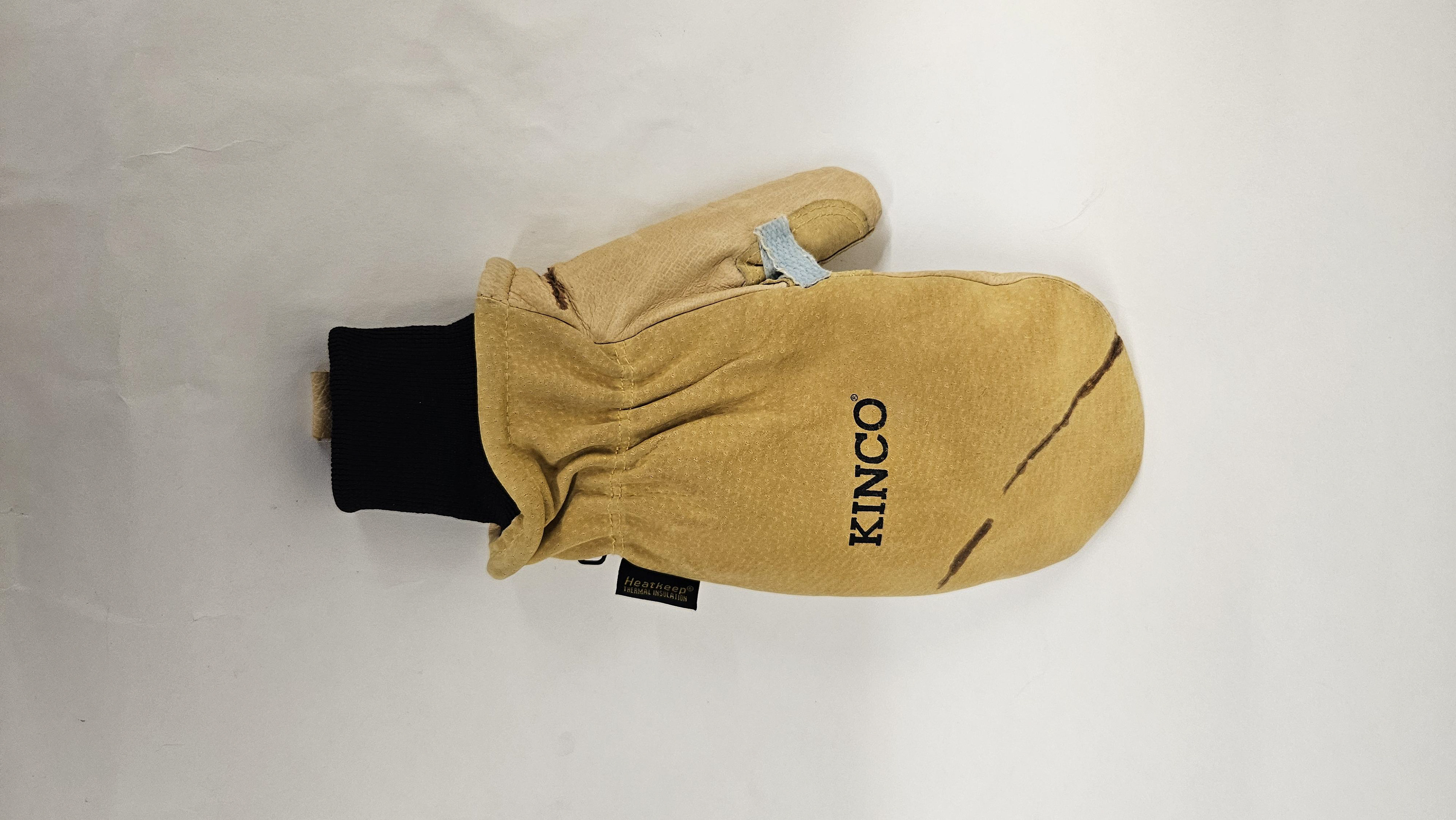
Falling is an occupational hazard in any skiing activity, particularly in competitive events such as slalom, giant slalom or downhill racing. Our ulnar collateral ligament (UCL) protective brace for ski gloves helps prevent significant injury of the thumb that is often associated with falling with hands extended on ski poles. We extensively designed and iterated on this prototype throughout ENGS 21: Introduction to Engineering with a team of of four including Olympic downhill skier Kyle Negomir, two fellow engineering students and myself, a former professional ski instructor. After judging from faculty and students, we won the Jackson Prize for the best overall performance in our class section out of 14 teams.
The brace allows for normal gripping motion, but prevents hyperextension of the thumb. It consists of sections formed by a 3D printed urethane photopolymer, and each piece is adhered to cross-stitched nylon and Kevlar for strength and flexibility. The brace is inserted in between the layers of the glove at the thumb and the glove is then resealed shut. An additional piece of the implementation includes a small strap of Kevlar connecting the base of the thumb with the forefinger, limiting the lateral angulation of the thumb known as valgus flexion. This solution helps prevent the mechanism of UCL ligament overextension in the thumb while still providing the dexterity for natural gripping and movement.
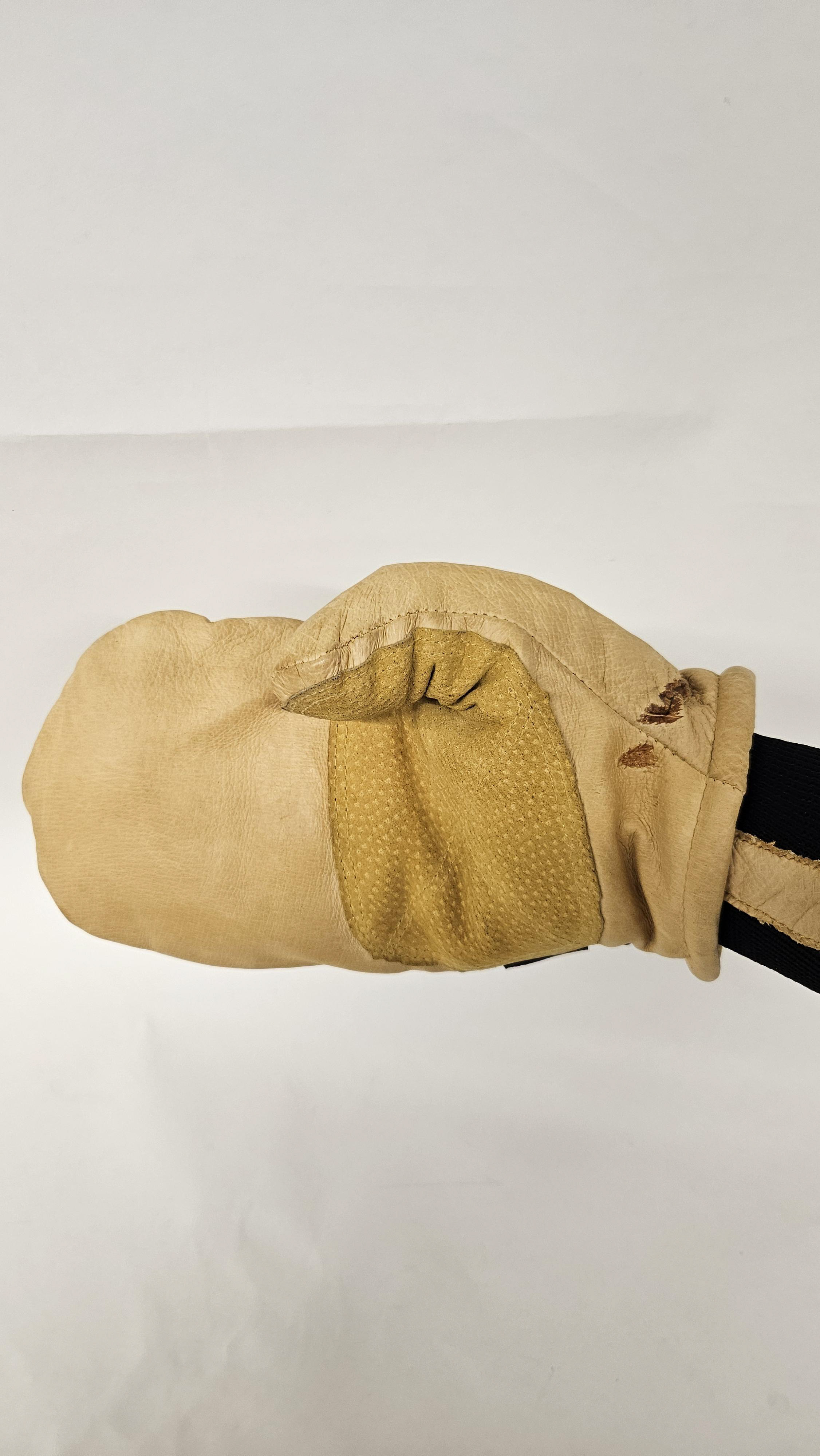
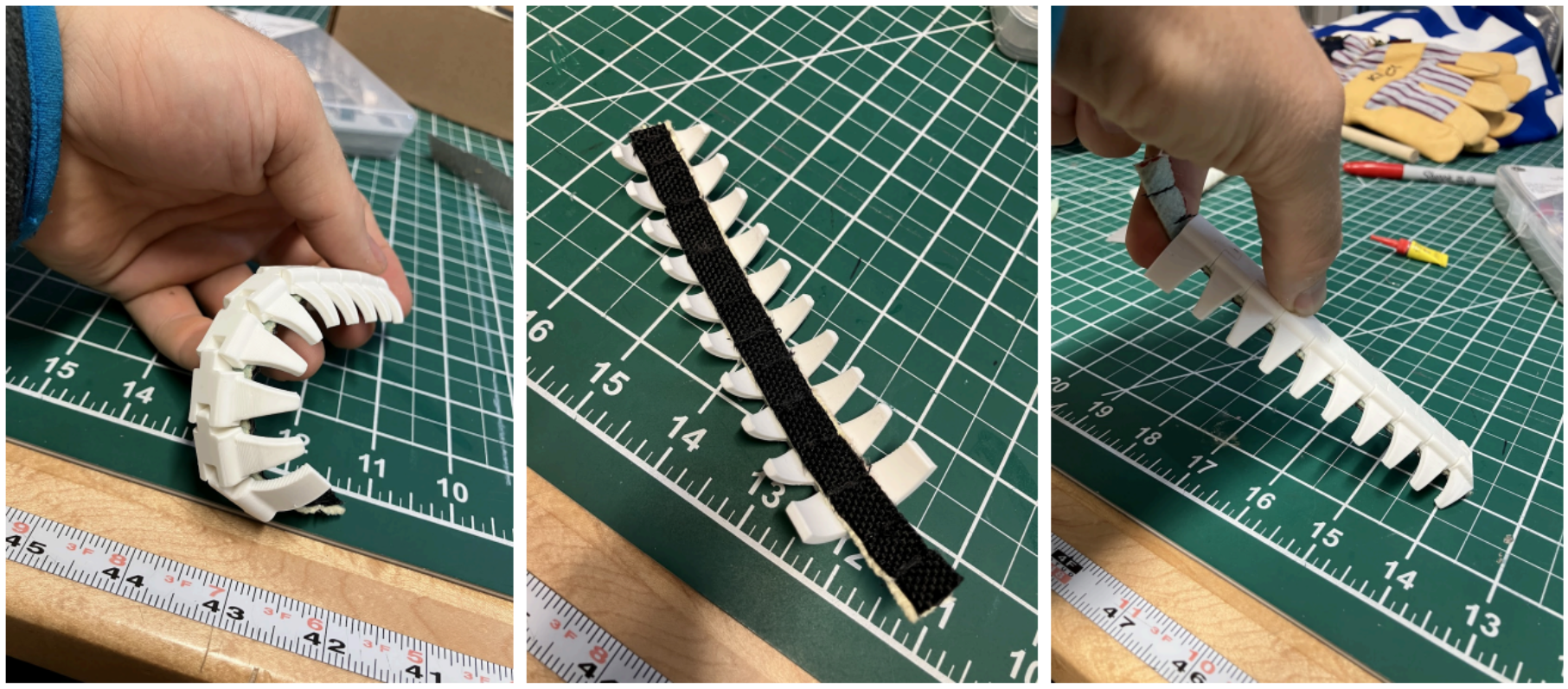
The brace allows for natural flexion inwards of the thumb, while preventing motion beyond a full extension of the thumb.
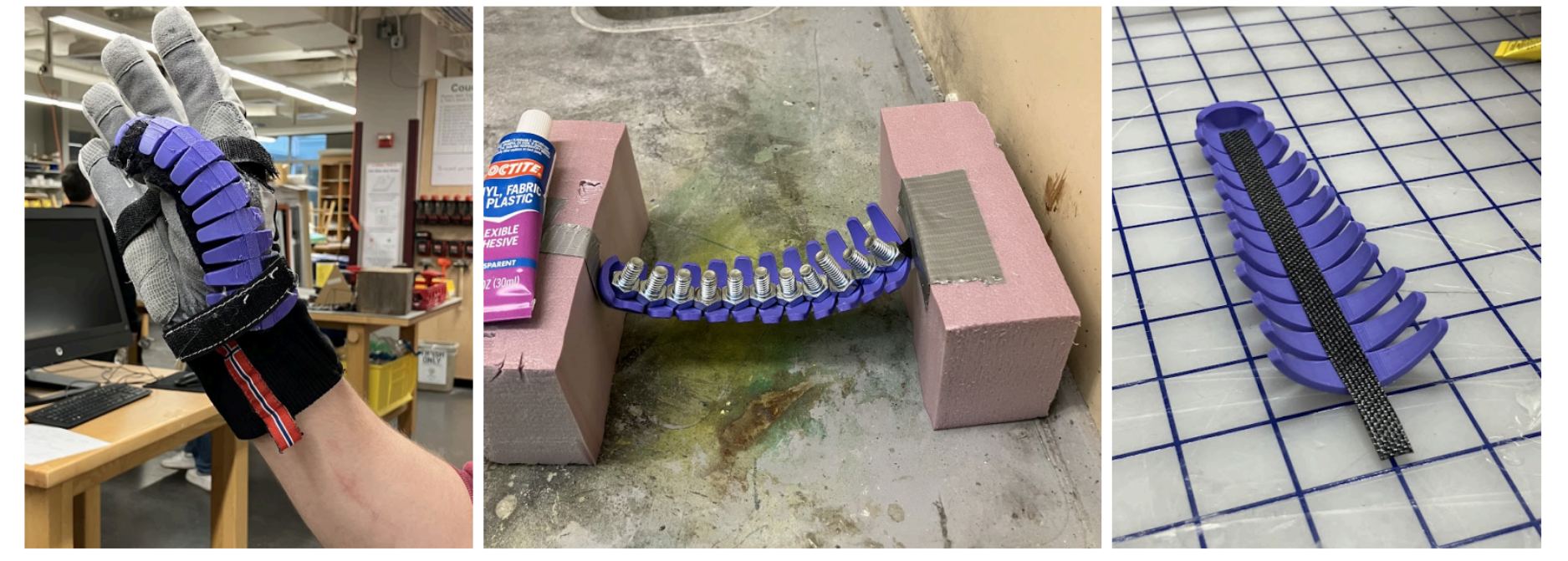
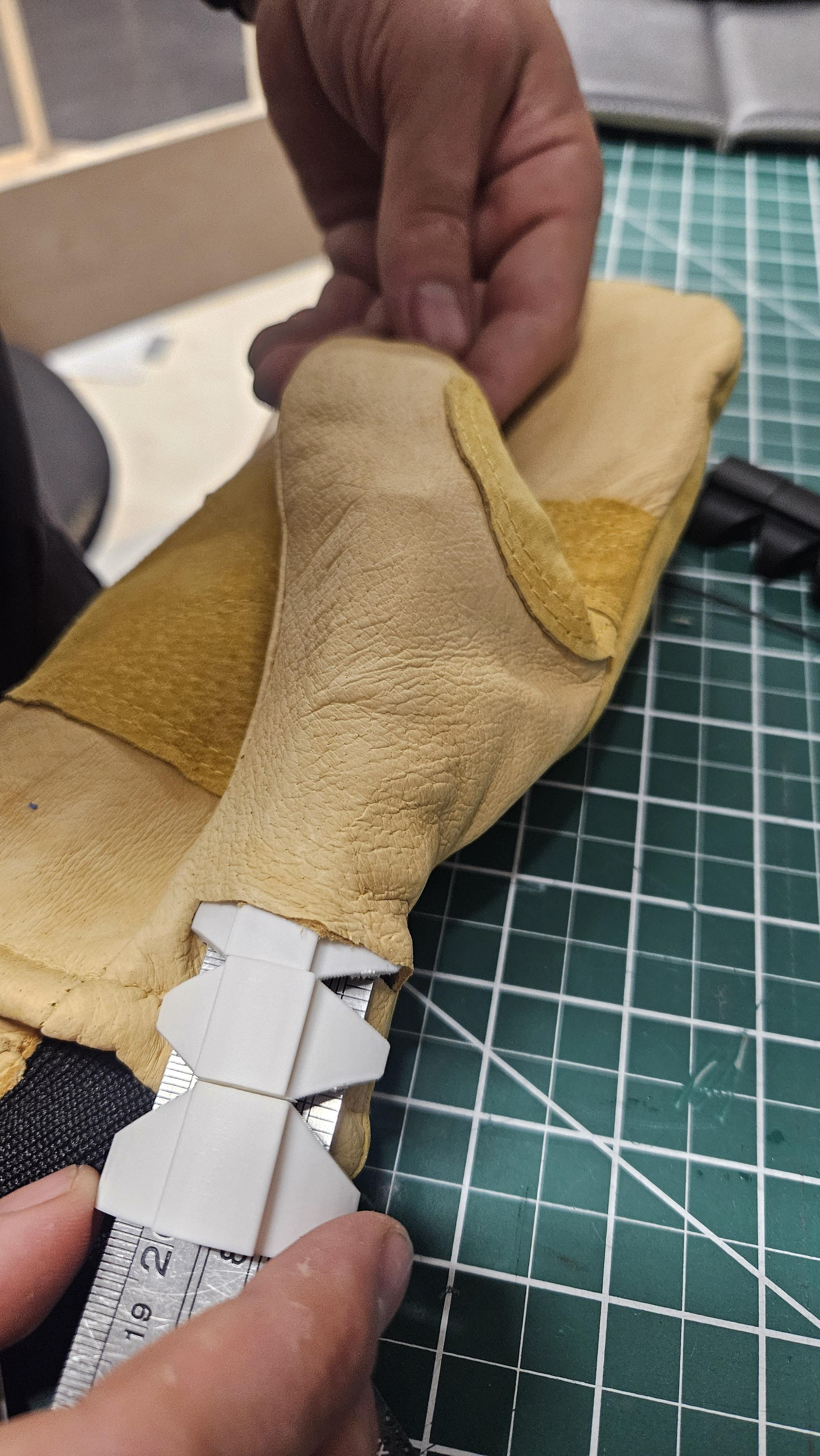
A previous iteration of the brace with too many segments and a weaker nylon spine holding them together.
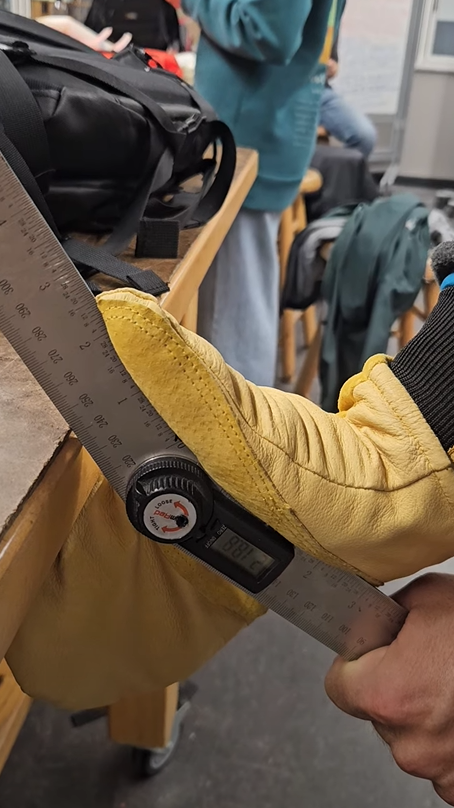
With each new iteration of the brace, we improved the CAD model, materials used, and assembly methods by testing the design in strength, durability, and range of motion. We tested our more successful prototypes using an INSTRON force testing machine with a custom wooden attachment for our brace. We also performed quantitative range of motion tests to determine if our initial specifications were met. We found that our final brace would withstand 6 Nm of torque acting at its base without surpassing a normal extension range. Since a typical UCL tear requires approximately 10Nm of force to tear, the brace effectively increased the threshold for tearing this ligament by 60%. It should be noted that this has not been medically tested or validated, and this brace was developed strictly as an academic engineering project.
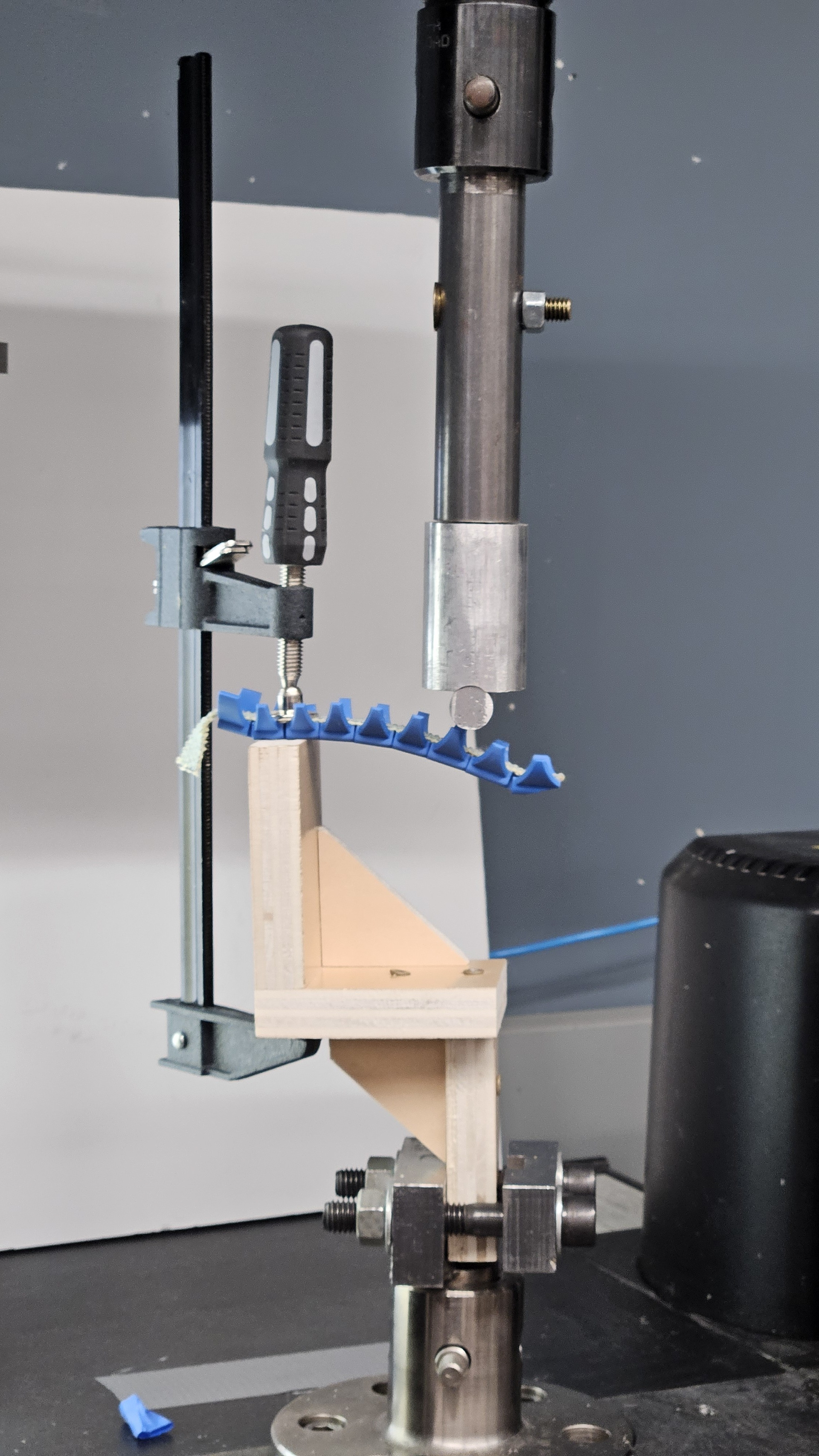
Strength testing an earlier prototype